1. Identify the germs of concern
Blood, sewage, animal waste and infectious illness each call for different products. The crew chooses a disinfectant whose label fits the situation.
Capitol Hill, Denver, CO · Denver County
Is it safe to go back in? For biohazard remediation in Capitol Hill, Denver, CO, call (877) 812-4220. The team cleans, disinfects and deodorizes, then walks you through what was done.
If anyone is in danger, call 911 first. For a suicide crisis, call or text 988.
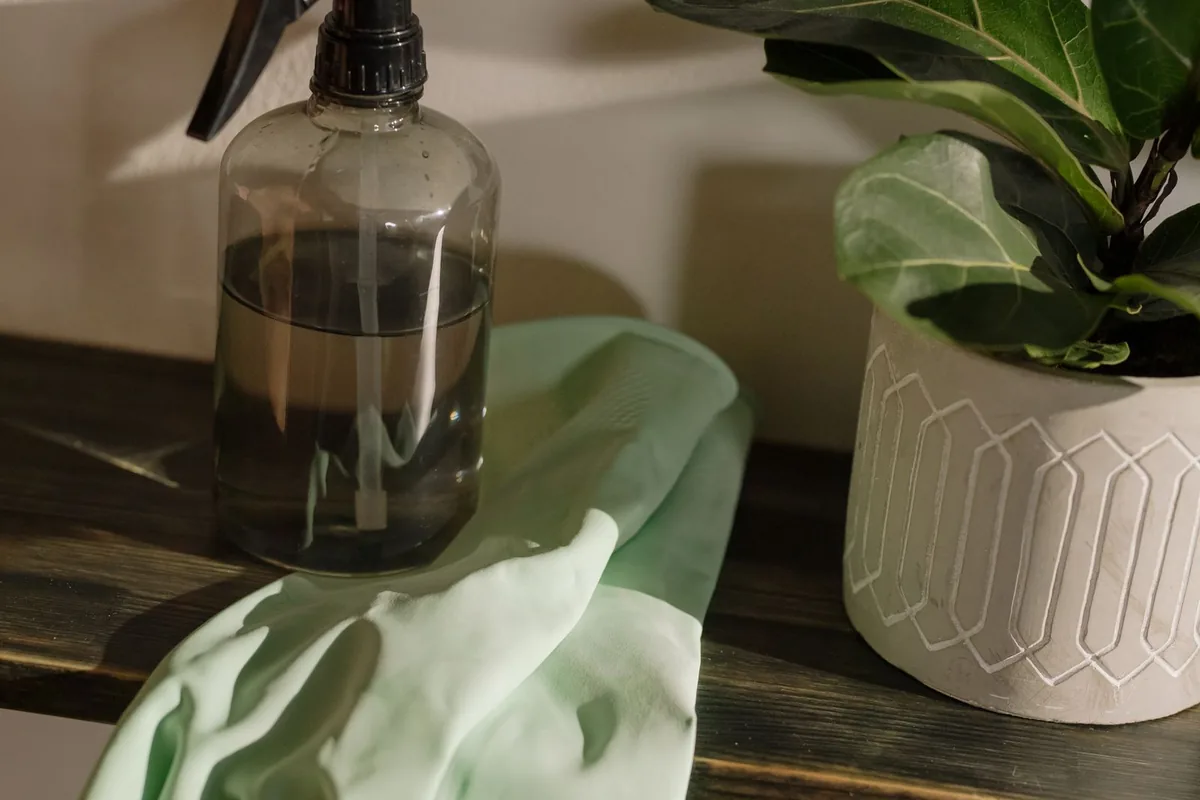
A decontamination service treats surfaces, furniture, fabrics and air so that bloodborne pathogens and other germs no longer pose a risk. It is a more thorough process than household cleaning and uses stronger, specialized products.
When a space in Capitol Hill needs more than ordinary cleaning, call Capitol Hill Biohazard Cleanup Help for biohazard remediation. You can get help across Denver County and nearby areas, with emergency response 24/7.
With about 51% of Denver households renting, property managers frequently need a unit disinfected and documented before move-in. Older housing is common in Denver, around 56% built before 1980, and porous materials there often need removal, not just disinfection.
Biohazard Decontamination in Capitol Hill usually includes:
Blood, sewage, animal waste and infectious illness each call for different products. The crew chooses a disinfectant whose label fits the situation.
Barriers and floor covering protect clean rooms. Crew members wear PPE and change gear before leaving the zone.
Porous materials that cannot be cleaned are removed. All other surfaces are scrubbed and then disinfected in layers.
The crew goes through the space with the owner and explains what was done. Waste leaves in sealed containers, and questions get plain answers.
Biohazard decontamination in Capitol Hill, Denver, CO typically costs $1,000 to $15,000, depending on the size of the affected area and the materials involved.
The type of germs involved shapes the products and the contact times. Sewage, bodily fluids and infectious illness each call for different disinfectants, which changes the plan.
| Type of job | Typical range |
|---|---|
| Residential average range | $1,800 - $4,500 |
| Biohazard cleanup, published span | $1,000 - $15,000 |
| Typical national range | $3,000 - $5,000 |
These ranges come from published cost guides (Fixr, Yelp Costs, Biohazard cleanup company pricing guide) and are not a quote for Capitol Hill. Price drivers include type of contamination, size of the space, surfaces affected, waste disposal. For a real number, call (877) 812-4220.
Biohazard remediation is the full process of containing, removing and treating biological contamination. Decontamination is the last stage, where surfaces are disinfected and checked. Many companies use the two terms for the same job.
Biohazard decontamination is the process of cleaning and disinfecting a space after blood, bodily fluids, sewage or similar material. Crews wear protective gear, remove items that cannot be saved and apply a disinfectant matched to the germs involved. The goal is a space safe to use again.
Light, simple messes may be manageable with gloves and the right product, but blood, sewage and infectious material are not. Mistakes can spread germs, and household cleaners often miss what soaked into porous items. Crews use PPE, containment and tested procedures.
Workers who may contact blood or infectious material are covered by the OSHA Bloodborne Pathogens Standard, 29 CFR 1910.1030. Professional crews follow its rules on PPE and handling. Employers have their own duties, and safety staff can explain them.
A biological hazard is any living organism or material from one that can harm health. Examples are bacteria, viruses, mold, blood, bodily fluids, sewage and animal waste. Chemicals and radiation are a different type of hazard.
Disinfectant does not work well on dirty surfaces, because residue can shield germs from the product. Crews remove visible material, clean every surface with detergent and then apply disinfectant for the contact time on its label. Skipping the cleaning step is a common reason a job fails.
See all biohazard cleanup services in Capitol Hill, Denver, CO →
Describe the contamination by phone and the crew explains how it would be treated.
Call (877) 812-4220